
Feeling confused by all the yoga types out there? You’re not alone. From Yin to Vinyasa, Hatha to Ashtanga, the variety of yoga styles can feel more overwhelming than inspiring, especially if you’re new to the practice or thinking of doing a Yoga Teacher Training.
Each style comes with its own purpose, rhythm, and benefits. But how do you know which one is right for you? This guide breaks it down with clarity and purpose.

Whether you’re seeking spiritual growth, inner stillness, physical strength, or emotional balance, understanding the different types of yoga can help you make more conscious choices in your practice.
You’ll not only learn what sets each style apart, but also how they work on your body, breath, and mind in unique ways.
Let’s clear the confusion, explore the core differences, and reconnect with the deeper intention behind yoga as a holistic path of self-development.
What Are the Different Yoga Types?
Yoga has been practiced for thousands of years, with its roots in ancient India, where it was primarily a spiritual discipline focused on self-realization.
The earliest references to yoga appear in the Vedas, and later texts such as the Yoga Sutras of Patanjali codified it into a structured system of ethical principles, meditation, and inner discipline.
Originally, yoga had little to do with physical postures. It was a path to liberation through stillness, breath control (pranayama), and meditative awareness.
It wasn’t until the late 19th and early 20th centuries that yoga began to evolve into the more posture-based systems familiar today. Teachers like Swami Sivananda, T. Krishnamacharya, Pattabhi Jois, and B.K.S. Iyengar played a key role in developing what we now call modern yoga.
These yoga masters introduced structured asana practices that combined traditional breathing techniques with sequences designed to support both physical health and spiritual focus.
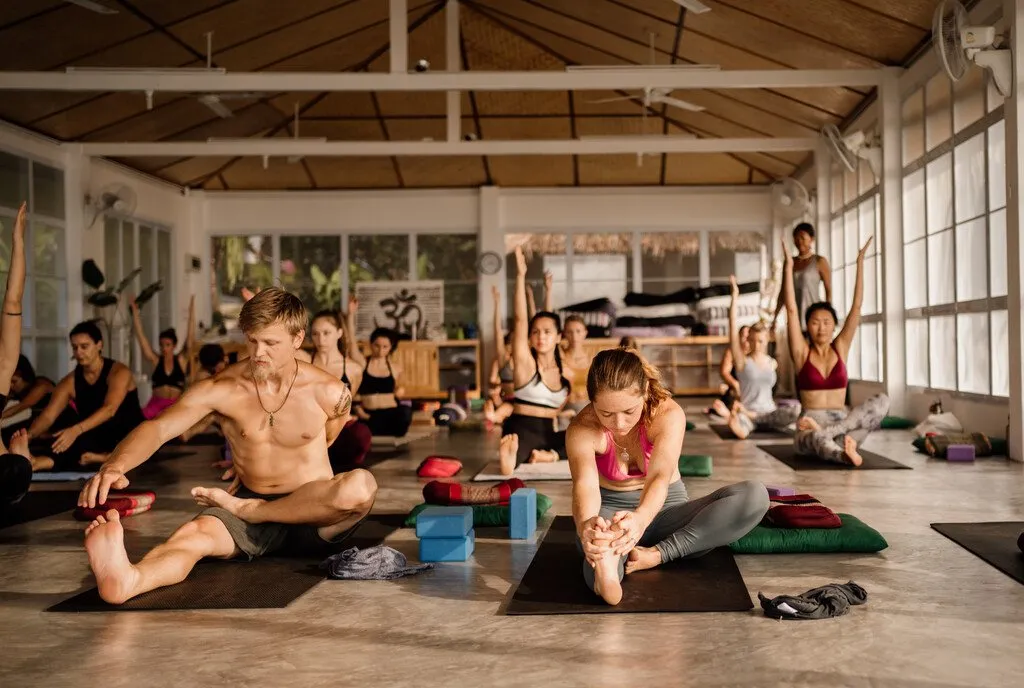
Today, the types of yoga taught around the world reflect a wide spectrum, from intense, fast-paced classes to restorative and meditative styles. Some of the most widely practiced yoga types include:
- Hatha Yoga
- Ashtanga Yoga
- Vinyasa Yoga
- Yin Yoga
- Restorative Yoga
- Iyengar Yoga
- Kundalini Yoga
- Kriya Yoga
- Bikram Yoga
- Power Yoga
- Yoga Nidra
- Jivamukti Yoga
- Sivananda Yoga
- AcroYoga
- Prenatal Yoga
- Chair Yoga
- Integral Yoga
- Hot Yoga
Each style offers a different emphasis—physical, spiritual, meditative, or therapeutic—meeting the diverse needs of modern practitioners.
This diversity is both a blessing and a challenge. While it means there’s likely a yoga type that fits every body and intention, it can also lead to confusion about which path to take. Understanding the background and intent behind each style can help you choose more wisely.
The 7 Most Popular Yoga Types Explained
With so many yoga styles available today, it can be hard to know where to begin—or how they actually differ. Each type offers a different approach—some are physically intense, others focus on relaxation or inner awareness.

To help you find what suits your needs, here’s a breakdown of seven popular yoga types that form the foundation of most modern practices:
- Hatha Yoga
- Ashtanga Yoga
- Vinyasa Yoga
- Yin Yoga
- Restorative Yoga
- Kundalini Yoga
- Iyengar Yoga
Each has its own rhythm, purpose, and benefits. Let’s start with Hatha Yoga.
Hatha Yoga

Hatha Yoga is a broad umbrella that includes many of the physical styles practiced today. Over time, various schools of Hatha developed, each introducing its own sequences and combinations of asana, pranayama, mudra, and bandha.
The word Hatha traditionally means “forceful,” referring to disciplined effort. A modern interpretation breaks it down into ha (sun) and tha (moon), symbolizing the union of active and passive energies. The soul is seen as constant, like the sun, while the mind fluctuates like the moon.
This yoga type aims to balance these forces, supporting peace in both body and mind. Classes usually consist of physical postures and controlled breathing techniques. In classical Hatha Yoga, poses are held longer—ranging from 30 seconds to several minutes.
This allows time to settle into the posture, cleanse the system, and shift attention inward. Stillness between postures gives space for integration and reflection.
Hatha yoga sequences can also be linked into a flow, though the pace remains steady and intentional. This makes it especially suitable for beginners and anyone seeking a more dynamic yet grounding practice.
It’s also ideal for advanced practitioners preparing the body and mind for deeper yogic disciplines such as dhyana (meditation) or pratyahara (withdrawal of the senses).
Ashtanga Vinyasa Yoga

Ashtanga Vinyasa Yoga—often shortened to Ashtanga Yoga—is a dynamic, physically demanding yoga style that synchronizes movement and breath in a flowing sequence of postures.
The name comes from the Eight Limbs of Yoga (Ashtanga = “eight limbs”), described in Patanjali’s Yoga Sutras over 2,000 years ago. While the full Ashtanga system includes ethical principles, concentration, and meditation, the modern form focuses primarily on the asana (postural) limb.
This interpretation was systematized by Sri Pattabhi Jois in Mysore, India, who taught that physical practice was the foundation upon which deeper limbs of yoga could be built.
In the Ashtanga tradition, students progress through six structured series of postures. Each series must be learned and practiced in order, moving to the next only after mastering the previous one.
Classes are often taught Mysore-style, where students move independently through the sequence at their own pace while the teacher provides one-on-one adjustments.
This yoga type is physically intense and mentally focused, making it best suited for dedicated practitioners who enjoy discipline, structure, and challenge.
Vinyasa Yoga

Vinyasa Yoga is a fluid and creative style that evolved from the structured discipline of Ashtanga Vinyasa Yoga. While Ashtanga follows fixed sequences, Vinyasa offers more flexibility—each class can vary depending on the teacher’s approach and intention.
The word Vinyasa comes from the Sanskrit nyasa (to place) and vi (in a special way), suggesting an intentional placement of movement and breath. In practice, this means that each posture flows smoothly into the next, guided by the rhythm of the breath.
Unlike Hatha Yoga, where poses are held longer, Vinyasa emphasizes continuous motion. The result is often described as a “moving meditation,” helping practitioners experience impermanence, presence, and inner clarity through dynamic practice.
A key feature of this type of yoga is Ujjayi breathing, which supports heat, focus, and internal awareness. Since there are no set sequences, classes can range from gentle to vigorous, and often incorporate creative transitions, thematic focus, or music.
Vinyasa Yoga is ideal for students who enjoy variety, dynamic movement, and an inward focus on breath. It sits somewhere between the structured intensity of Ashtanga and the meditative pace of Hatha, making it accessible yet energetically engaging.
Yin Yoga

Yin Yoga is a slow, meditative style rooted in the Taoist concept of yin and yang—opposing forces that together create balance. While yang practices like Vinyasa and Ashtanga are active and muscular, Yin targets stillness and release.
Postures in Yin Yoga are held for extended periods—typically three to five minutes—allowing the muscles to relax completely. Most poses are done seated or lying down, focusing not on strength but on deep, passive stretching.
This gives time for the body to access and stimulate the connective tissues—fascia, ligaments, and joints—areas that dynamic yoga styles don’t reach as directly.
A central idea in this yoga type is “finding your edge”, not forcing, but entering a sustainable stretch that encourages subtle opening over time. Practitioners often experience emotional shifts during this process, as long-held tension—both physical and mental—begins to soften.
Yin Yoga also invites silence and inward reflection, making it an excellent complement to more active (yang) practices. It’s especially valuable for those seeking increased flexibility, nervous system regulation, or a quiet space for introspection.
Ready for a deep dive into this blissful yoga style? Check out our 50-Hour Yin Yoga Teacher Training and let these relaxing poses melt away stress. Being YACEP-certified, this training equips you with new skill sets to include in your classes.
Restorative Yoga

Restorative Yoga is often mistaken for Yin Yoga. While both are slow, calming, and inward-focused, they serve different purposes. Yin gently stretches the deep connective tissues. Restorative, on the other hand, is about complete support and surrender, without any stretch at all.
In a Restorative Yoga class, the aim is to release tension from both body and mind by placing the body in restful poses held for extended periods—typically five to twenty minutes.
These postures are fully supported using props like bolsters, blankets, blocks, straps, and sandbags, allowing the body to drop into deep rest with no muscular effort.
This type of yoga soothes the nervous system, encourages diaphragmatic breathing, and supports recovery on all levels. It’s especially useful during times of stress, fatigue, or healing—whether from injury, illness, or emotional overwhelm.
The restorative yoga style is accessible to all ages and abilities, making it one of the gentlest yoga styles available. It’s a powerful reminder that stillness can be just as transformative as movement.
Kundalini Yoga

Kundalini Yoga is a dynamic, spiritually charged style designed to awaken and elevate your inner energy. Based on the ancient teachings of Tantra, this practice focuses on awakening the Kundalini energy, which is believed to reside at the base of the spine.
Through a combination of breathwork, pranayama, chanting (mantras), physical postures, and meditation, Kundalini Yoga aims to activate and rise this dormant energy along the spine, reaching the crown of the head to promote higher consciousness.
The practice is intense, with sequences known as Kriyas (specific sets of actions), which stimulate the body, mind, and spirit. A typical Kundalini class involves rapid movements, breath control techniques, and chanting to balance the energy system and clear energetic blockages.
Kundalini practitioners often report profound emotional shifts, heightened awareness, and a deep sense of calm and clarity following a session. While Kundalini Yoga can be physically demanding, it is suitable for practitioners of all levels who are ready to explore a deeper spiritual practice.
This style of yoga is ideal for those seeking spiritual awakening, emotional healing, and an opportunity to connect with their higher self. It blends physical movement with a strong focus on inner transformation.
Iyengar Yoga

Among the various yoga types, Iyengar Yoga is a precise, alignment-based style developed by B.K.S. Iyengar, one of the most influential yoga teachers of the 20th century.
Known for its emphasis on detail and structure, this practice focuses on the correct placement of the body in each posture, using props such as blocks, straps, bolsters, blankets, and even walls or chairs to support practitioners of all levels.
Rather than flowing quickly from one pose to another, Iyengar classes often involve holding postures for longer periods. This allows students to explore subtle adjustments, build strength, and deepen their understanding of alignment.
The deliberate pace cultivates concentration, body awareness, and therapeutic benefits, making it a popular yoga type among those recovering from injury or dealing with structural imbalances.
Iyengar Yoga is deeply rooted in the classical Hatha Yoga tradition and often incorporates pranayama and philosophical teachings alongside physical practice. It’s not just about precision—it’s about creating a stable foundation for both meditative stillness and everyday posture.
This methodical, intelligent approach makes Iyengar an excellent option for beginners who want clear instruction, as well as experienced practitioners aiming to refine their practice. It’s a yoga style where consistency and attention yield lasting results.
Other Traditional and Modern Yoga Types
Beyond the most widely practiced types, there are many other yoga styles that meet specific needs or emphasize unique aspects of the yogic path, whether it’s energy work, physical intensity, spiritual focus, or accessibility. Here’s an overview of some additional styles worth exploring:
Kriya Yoga

Kriya Yoga is a deeply spiritual path focused on inner purification and meditation. It gained widespread attention through Paramahansa Yogananda’s Autobiography of a Yogi.
Kriya involves a set of advanced breath control techniques designed to direct prana (life force) up the spine, still the mind, and accelerate spiritual awakening. It is often taught within a structured lineage and is suitable for those drawn to meditative, non-asana-based yoga.
Bikram Yoga

Bikram Yoga consists of a fixed sequence of 26 postures and 2 breathing exercises performed in a heated room, typically around 40°C (105°F).
Developed by Bikram Choudhury, this yoga type emphasizes discipline, detoxification through sweat, and physical endurance. Unlike most yoga styles, Bikram has a strict structure and script, offering consistency across classes. It’s highly physical and not ideal for those sensitive to heat.
Power Yoga

Power Yoga is a vigorous, fitness-based style derived from Ashtanga. It removes the fixed sequences and introduces more flexibility and variation while keeping the intensity. It’s probably the strongest among the yoga types listed here.
Classes often feature strong flows, core work, and standing poses held for strength. Power Yoga appeals to athletes or anyone seeking a physically challenging, movement-driven experience with less spiritual focus.
Yoga Nidra

Yoga Nidra, or “yogic sleep,” is a guided meditation practice done lying down, leading the body into deep relaxation while keeping the mind alert. It systematically brings awareness to different parts of the body, breath, and subtle sensations.
Used for stress relief, trauma recovery, and sleep support, Yoga Nidra is accessible to everyone, including those unable to practice physical postures.
Join our weekly Yoga Sadhana retreat or just drop in for a single class to experience ultimate relaxation guided by our expert instructors on Koh Phangan, Thailand.
Jivamukti Yoga

Founded in the 1980s by Sharon Gannon and David Life, Jivamukti blends vigorous Vinyasa-style asana with spiritual teachings. Classes integrate Sanskrit chanting, music, scriptural study (especially the Yoga Sutras and Bhagavad Gita), and ethical themes like non-violence.
Jivamukti Yoga is both physically demanding and philosophically rich, appealing to those who want depth beyond the mat.
Sivananda Yoga

Sivananda Yoga is a classical form rooted in Vedantic philosophy, developed by Swami Vishnudevananda. A typical class follows a fixed structure: breathing exercises, sun salutations, 12 foundational postures, and relaxation.
It also includes mantra chanting and spiritual teachings. Sivananda emphasizes a holistic yogic lifestyle, making it ideal for those seeking balance through traditional practices.
AcroYoga

AcroYoga combines yoga, acrobatics, and partner work. It usually involves three roles: a base, a flyer, and a spotter. Trust, communication, and connection are central to the practice.
While playful and community-oriented, it requires strength, balance, and coordination. AcroYoga is best suited for practitioners comfortable with physical touch and partner dynamics.
Prenatal Yoga

Designed for pregnancy, Prenatal Yoga supports physical comfort, emotional stability, and mental focus through each trimester.
Classes prioritize safe movement, pelvic floor strength, breath awareness, and poses that relieve common discomforts. It also prepares the body and mind for labor. This style is gentle and always modified to suit different stages of pregnancy.
Chair Yoga

Chair Yoga adapts traditional poses to be done while seated or using a chair for support. It’s ideal for seniors, those with mobility issues, or anyone recovering from injury.
Despite its simplicity, it can include breathwork, gentle stretching, and even balance practice. Chair Yoga makes yoga accessible to virtually anyone, regardless of physical ability.
You can practice chair yoga online with One Yoga Online Studio! No membership? No worries. You can try our platform free for 7 days.
Integral Yoga

Developed by Swami Satchidananda, Integral Yoga blends six branches of classical yoga: Hatha, Raja, Bhakti, Karma, Jnana, and Japa.
The practice seeks a balance between physical, mental, and spiritual elements. A typical class includes asana, pranayama, deep relaxation, and meditation. Integral Yoga emphasizes peace and selfless service, making it a deeply holistic path.
Hot Yoga

Hot Yoga refers broadly to yoga practiced in a heated room, though not necessarily following Bikram’s fixed sequence. Classes vary by teacher but typically involve flowing postures, strength-building, and deep stretching.
Practicing in heat increases flexibility and promotes sweating, which is thought to support detoxification. It’s important to stay hydrated and listen to your body during hot yoga.
How Do The Main Yoga Types Compare?
Each yoga style has its own rhythm, purpose, and benefits. Use this table to quickly compare seven popular yoga types based on key features.
| Yoga Style | Description | Physical Intensity | Spiritual Depth | Best For | Beginner-Friendly? | Sequencing |
|---|---|---|---|---|---|---|
| Hatha Yoga | Traditional, steady-paced postures + breath | Moderate | Medium | Building foundation, calming the mind | Yes | Structured or varied |
| Ashtanga Yoga | Set sequences with disciplined progression | High | Medium | Strength, routine, physical challenge | No (OK for fit beginners) | Fixed series, strict order |
| Vinyasa Yoga | Flow-based, breath-led creative movement | Moderate to High | Low to Medium | Dynamic movement, breath awareness | Yes | Variable, teacher-designed |
| Yin Yoga | Long-held passive stretches, deep tissue | Low | Medium | Flexibility, introspection | Yes | Fixed, slow-paced |
| Restorative Yoga | Fully supported, deeply restful poses | Very Low | High | Stress relief, nervous system reset | Yes | Fixed, minimal movement |
| Kundalini Yoga | Breathwork, chanting, kriyas for energy | Varies (moderate) | Very High | Inner awakening, emotional clarity | Yes (with guidance) | Pre-set kriyas |
| Iyengar Yoga | Alignment-focused, uses props for precision | Low to Moderate | Medium | Injury recovery, detail-oriented | Yes | Structured, posture-based |
Which Yoga Style Is Right for Me?

With so many yoga types available, it’s easy to feel unsure about where to begin. The key is to match the practice with your current needs—physically, emotionally, and spiritually.
If you’re new to yoga, Hatha Yoga is a great place to start. It introduces postures, breath control, and stillness at a steady pace.
For those craving dynamic movement, Vinyasa or Ashtanga Yoga offer more intensity and flow. Ashtanga suits disciplined practitioners who enjoy structure, while Vinyasa is more flexible and creative.
Feeling stiff or mentally fatigued? Yin Yoga supports deep tissue release and introspection. Need full rest or recovering from stress or illness? Restorative Yoga helps reset the nervous system without any physical strain.
If you’re seeking a balanced blend of Hatha and Vinyasa with elements of Yin and Restorative yoga, don’t miss our 200-Hour Yoga Teacher Training course. Even though you’re not planning on teaching, this program offers an immersion into these yoga styles on a paradise island.
Looking for more than physical benefits? Kundalini Yoga integrates breathwork, sound, and energetic practices aimed at spiritual awakening. And if you’re drawn to detail and structure, especially for injury prevention, Iyengar Yoga provides clear alignment cues and uses props for safe progression.
Still unsure? Try a few classes from different styles before committing. Your needs will evolve—and so might your preferred style. The best yoga is the one that meets you where you are, supports your growth, and keeps you coming back to the mat.
One Yoga Online Studio is a great way to experiment with different yoga types from the comfort of your home. With over 900 video classes and 80 courses, including Asana, Meditation, Pranayama, Philosophy, Ayurveda, and more, we’re confident you’ll find the right yoga style for you!

Whether you’re seeking strength, stillness, or spiritual depth, there’s a yoga type that fits. Let your body, breath, and experience guide your choice.
Final Thoughts
Yoga today offers more than just one way forward—it offers many. From structured sequences to meditative stillness, from inner energy work to therapeutic relaxation, the diversity of yoga styles reflects the diversity of human needs.
And that’s what makes this tradition so powerful. The key is not to find the “best” yoga style, but the one that resonates with you right now.
No single yoga type will fit every season of your life. What supports you today may shift tomorrow. And that’s perfectly aligned with yoga’s deeper aim: to cultivate awareness, adaptability, and a conscious connection to self.
If you’re practicing with sincerity and presence—whether flowing through a Vinyasa class or resting in stillness during Yoga Nidra—you’re already doing yoga in its truest sense.
Explore, stay curious, and let your practice evolve with you. In the end, yoga isn’t about mastering poses—it’s about remembering your center, again and again.


